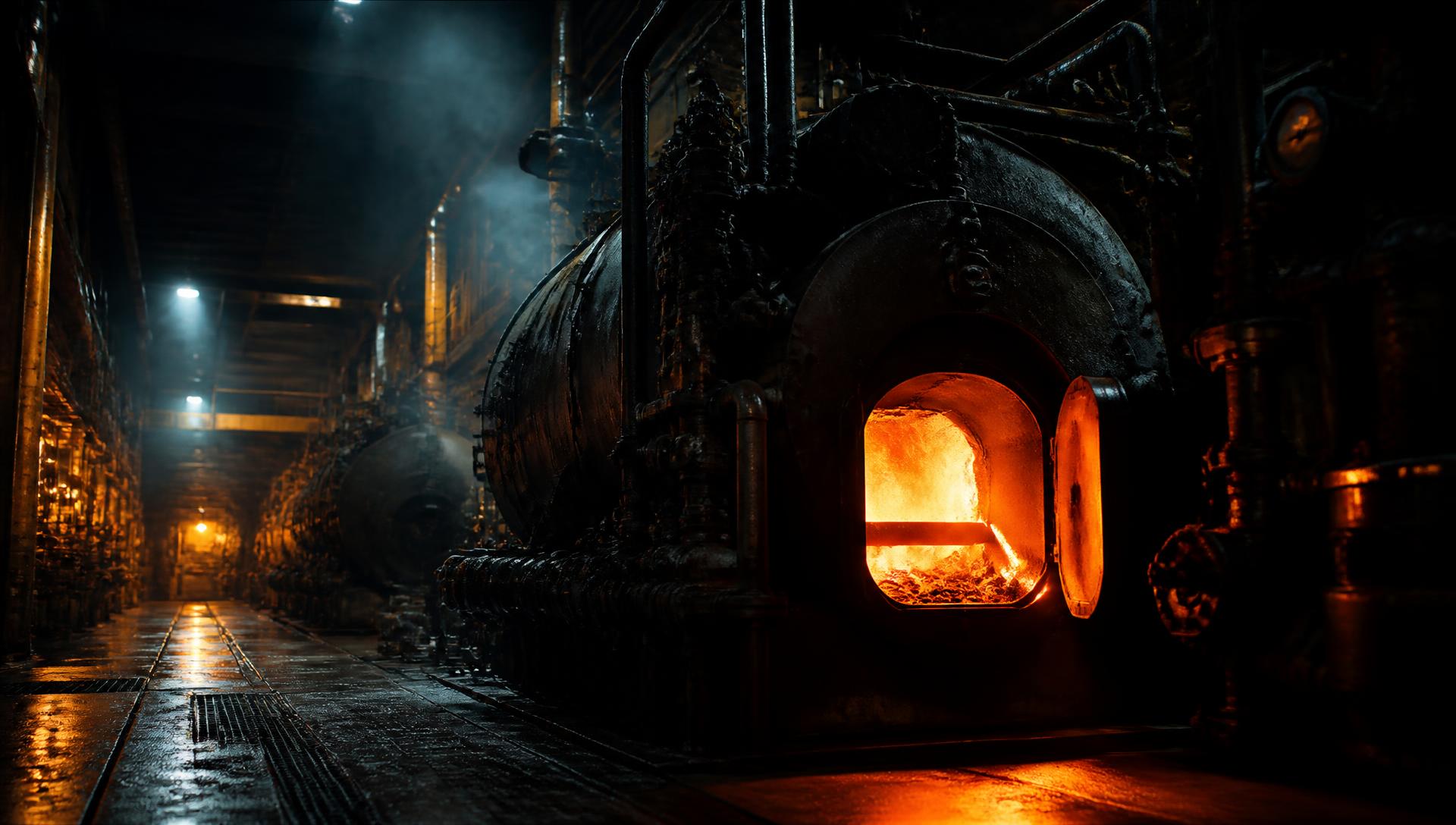
Conroe, TX · 24/7 dispatch
Commercial and industrial boiler repair, temporary rental, installation and combustion service — diagnosed on site, quoted in writing, and back in production with the downtime you planned for.
- 30+
- Years hands-on
- 24/7
- Emergency dispatch
- ASME + R
- Certified
- 7
- Cities covered
- Woman-owned
- Woman-owned
- ASME certified
- ASME certified
- R stamp repairs
- R stamp repairs
- 24/7 emergency response
- 24/7 emergency response
- Onshore + offshore
- Onshore + offshore
- Insurance claim assistance
- Insurance claim assistance
- Written quotes before work
- Written quotes before work
- 30+ years experience
- 30+ years experience
In the field
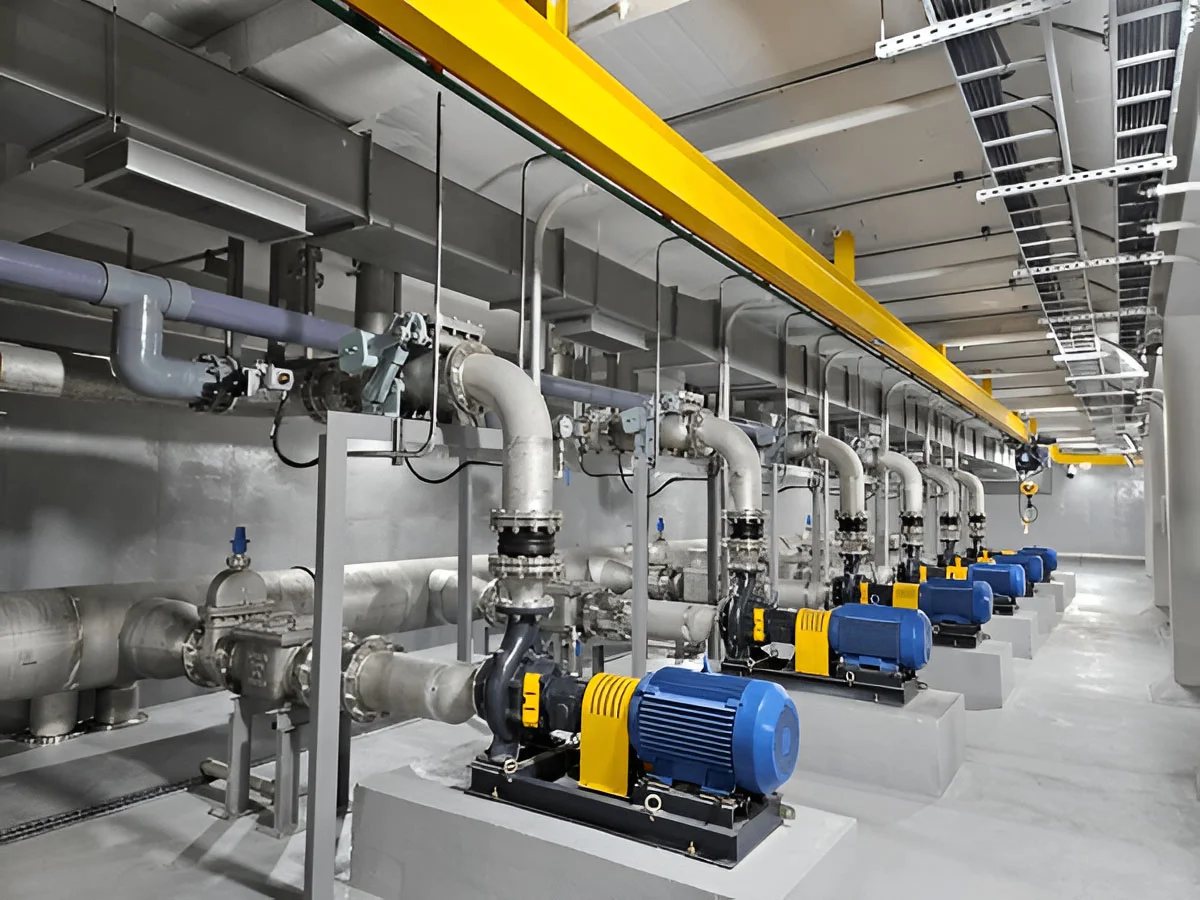
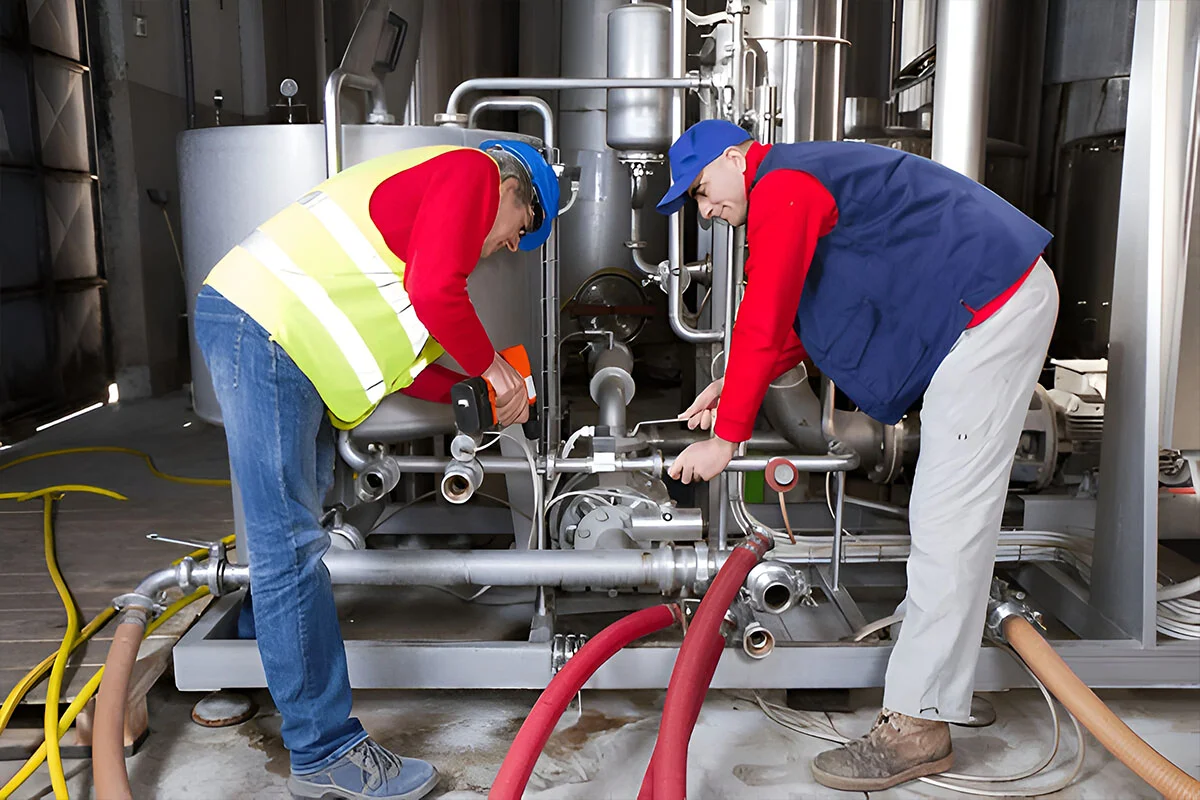
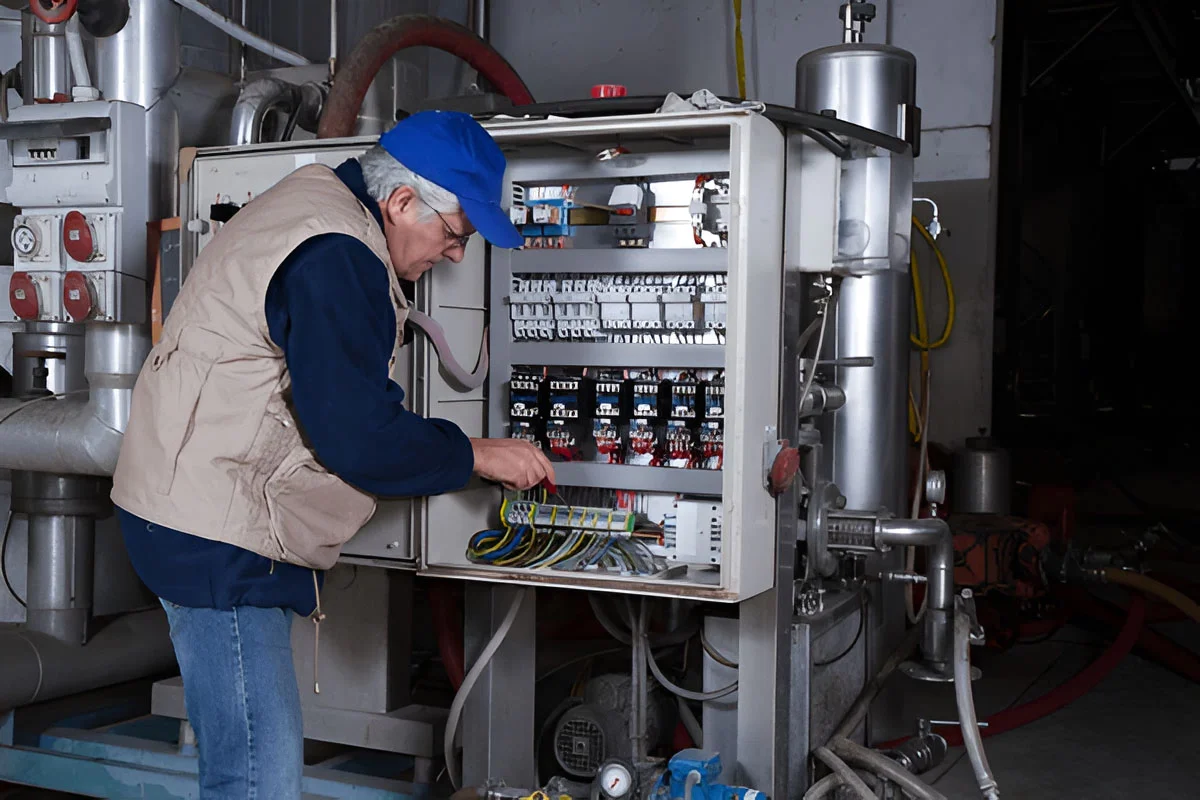
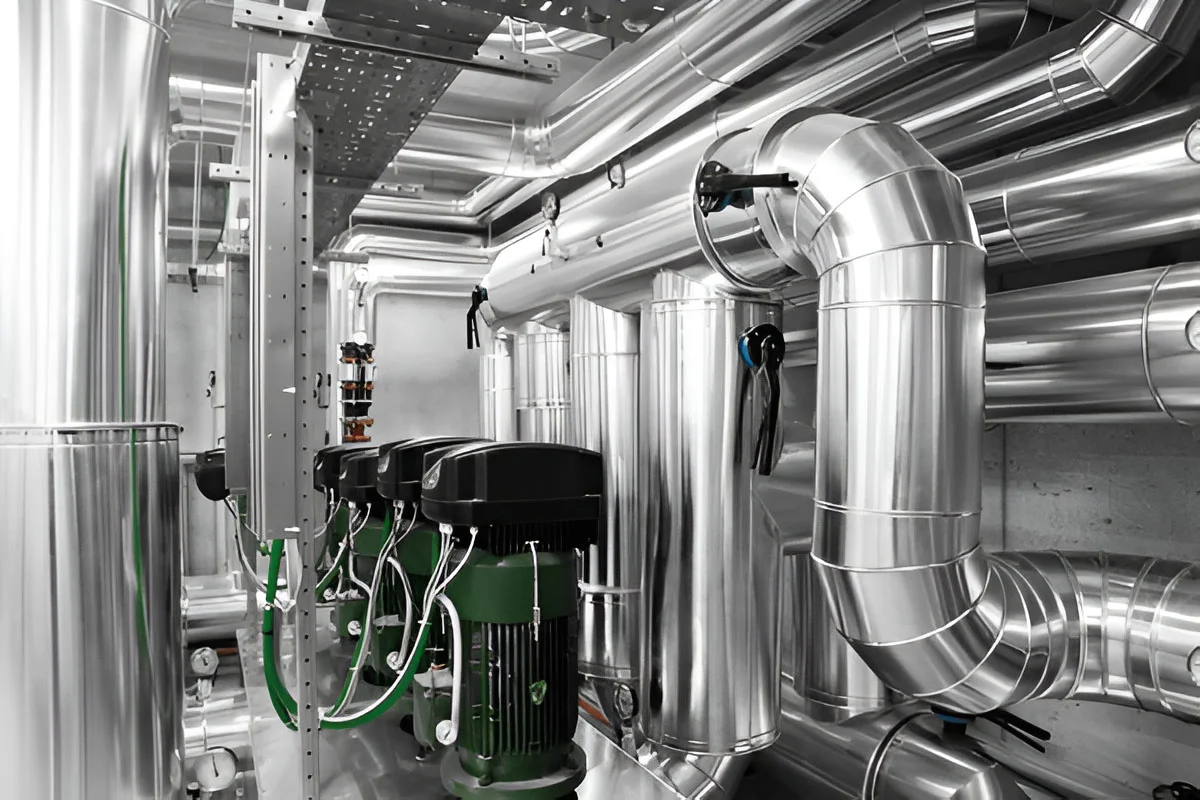
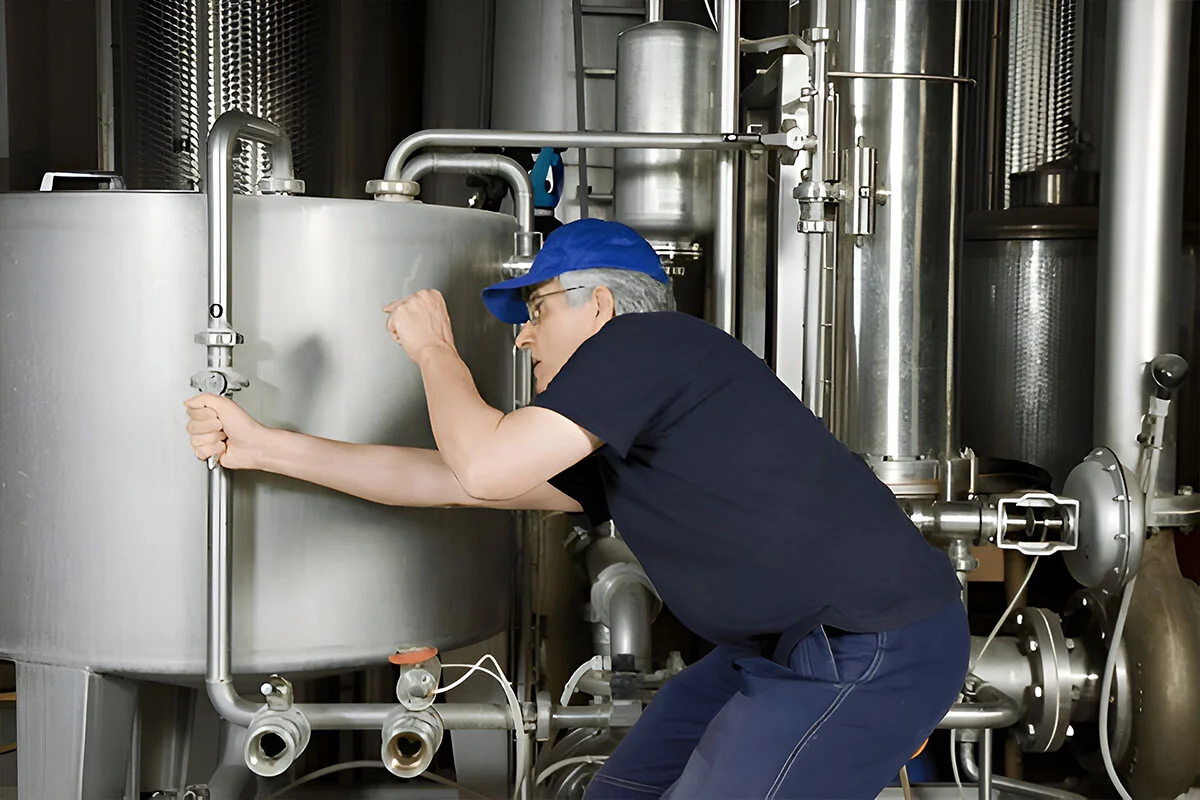
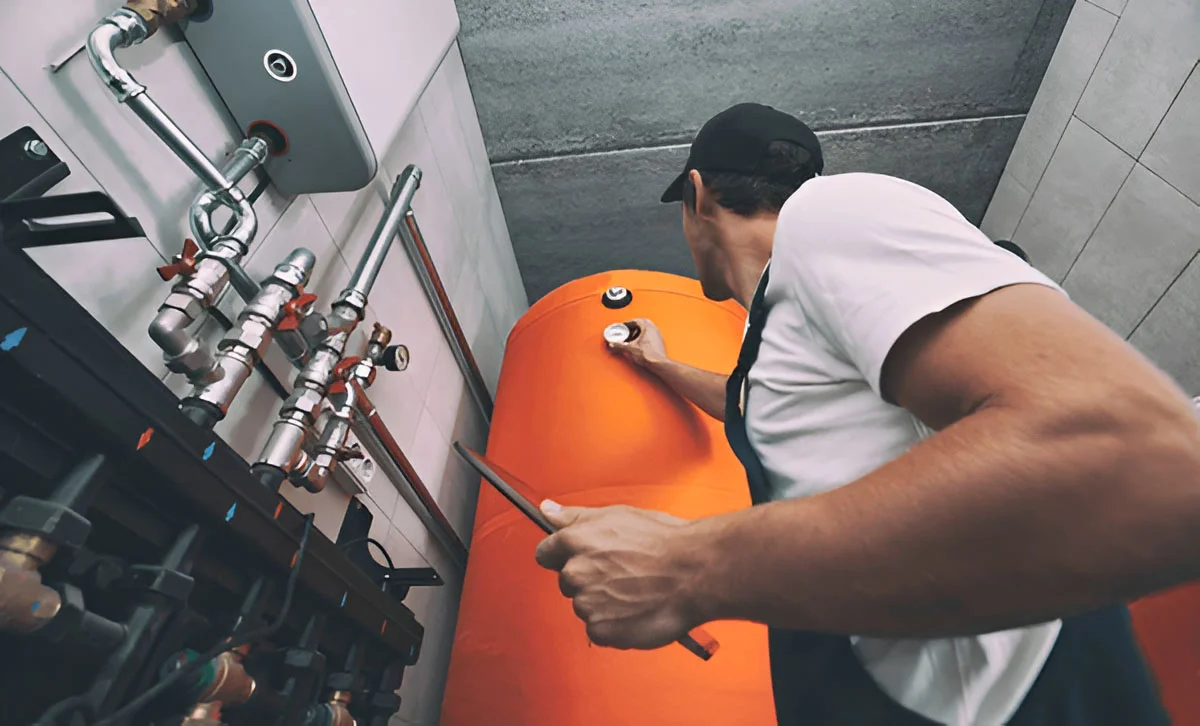
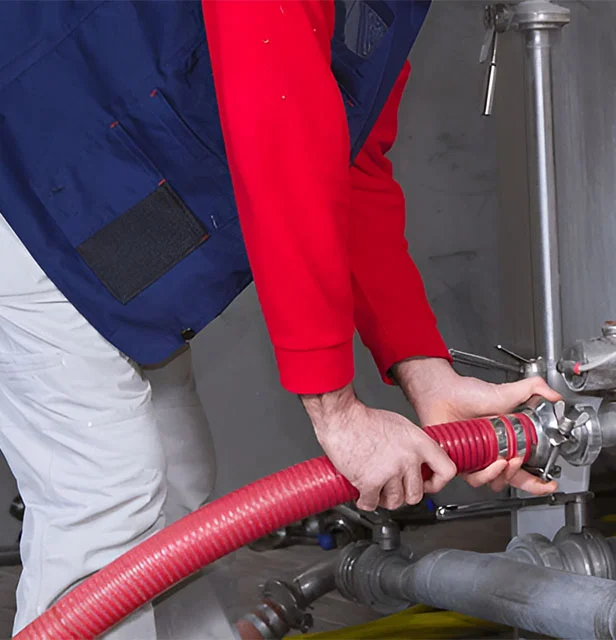
Boiler rooms across the Houston region
The real cost
Nobody calls about a boiler.They call about lost hours.
A failed tube, a drifted burner or a tripped safety does not just stop heat. It stops the line, the laundry, the process, the shift. The expensive part is rarely the repair — it's the hours spent waiting for a technician who can actually diagnose the unit.
We built this company around that gap: answer the phone at any hour, arrive with the certification to touch pressure parts, and keep temporary rental boilers on hand so a long repair never has to mean a long shutdown.
You call
A person answers, day or night
We diagnose
Cause identified and photographed
You approve
Written scope and price first
Now part of Boilers on Demand
Two boiler companies. One phone number.
Boilers on Demand has acquired Heat & Power Boiler Services Inc., a Houston boiler and heat exchanger specialist operating out of E Crosstimbers since 1989. Their shop, their crews and their equipment are now part of our team.

- Founded
- 1989
- Based
- Houston, TX
- Focus
- Boilers + heat exchangers
- Now
- Boilers on Demand
01 / 04 — Capability
Boiler Repair
Emergency and planned repair for firetube, watertube and heat exchanger systems — diagnosed, quoted and returned to service with minimal downtime.
- Availability
- 24 / 7
- Certification
- ASME + R
- Typical range
- $250–$2,500+
Everything we cover
One team for the whole boiler lifecycle.
- 01
Boiler Repair
Emergency and planned repair for firetube, watertube and heat exchanger systems — diagnosed, quoted and returned to service with minimal downtime.
- 02
Boiler Rental
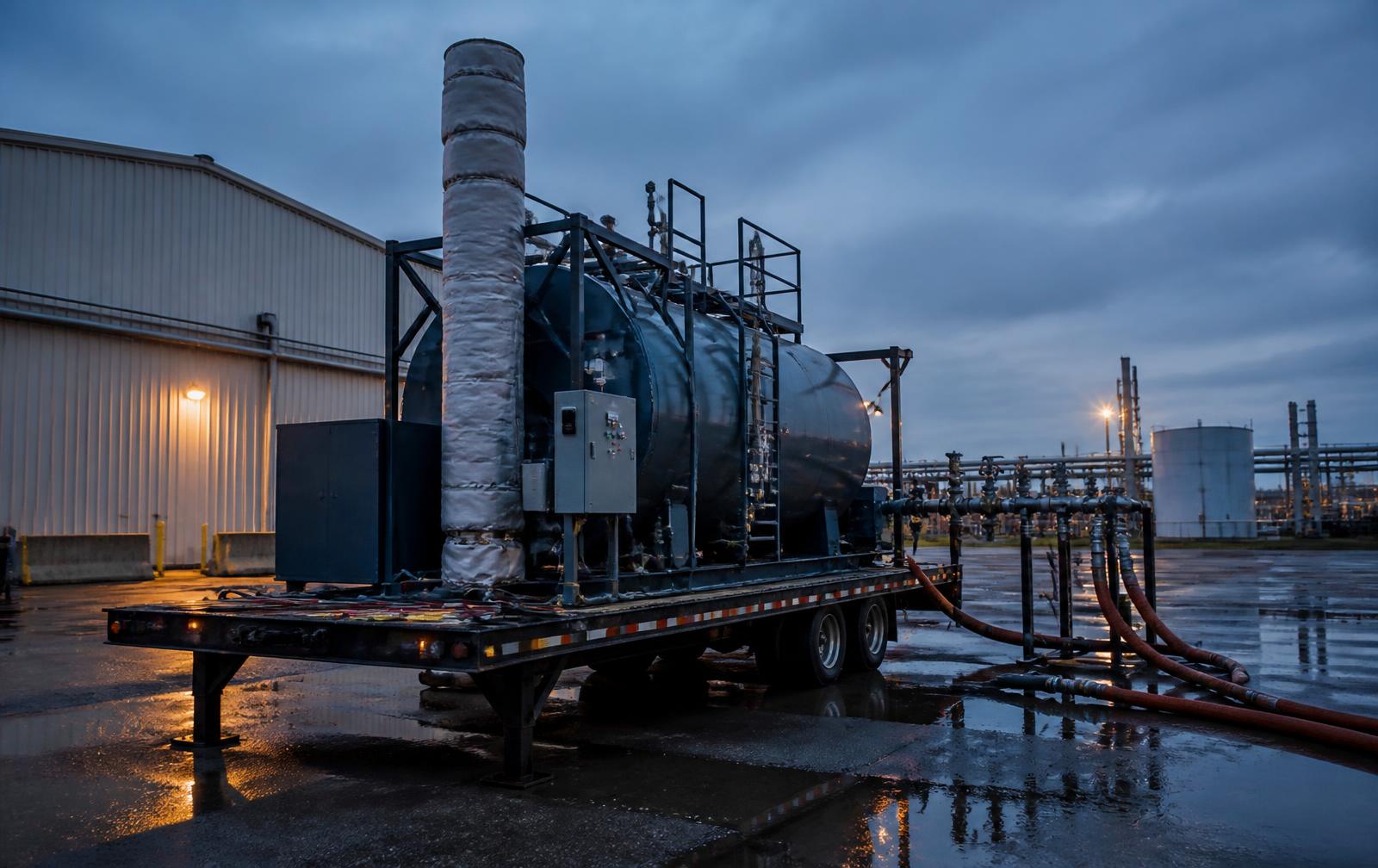
Temporary boiler and skid packages that keep steam and hot water online while your primary unit is repaired, replaced or inspected.
- 03
Boiler Installation
New boiler installation handled end to end — sizing, engineering consultation, rigging, piping, controls and commissioning.
- 04
Boiler Reconditioning
Full reconditioning that extends the service life of an existing boiler instead of forcing a capital replacement.
- 05
Combustion & Burner Service
Burner tuning, combustion analysis and fuel train service — the fastest route to lower fuel spend and stable firing.
- 06
Boiler Sales & Parts
Boiler sales plus a replacement parts inventory sourced to keep existing equipment running rather than idle.
Why Boilers on Demand
New name. Thirty years of boilers behind it.
Boilers on Demand is a woman-owned, full-service boiler and heat exchanger company based in Conroe. The name is newer than the experience behind it.
- Certified pressure work
- ASME and R-certified technicians, so pressure-part repairs are performed and documented to code rather than improvised.
- One team, whole lifecycle
- Design consultation, installation, parts, repair, reconditioning and rental sit with one company. No hand-off between vendors mid-outage.
- Rental as part of the plan
- Because we rent temporary boilers as well as repair them, a long repair does not have to mean a long shutdown.
- Onshore and offshore
- Our technicians support operations on land and offshore, including heat exchanger work most HVAC contractors will not take on.
- Woman-owned, 30+ years deep
- A newer company name built on more than three decades of hands-on boiler and heat exchanger experience.
- Insurance claim assistance
- Failures often involve a claim. We document the failure properly and help you get the paperwork your insurer needs.
By the numbers
- 0+
- Years of experience
- 24 / 7
- Emergency availability
- 0 cities
- Service area
- $250 – $2,500+
- Typical service range
Hands-on boiler and heat exchanger work
Dispatch at any hour, any day
Conroe out to the ship channel
Quoted in writing beforehand
How it works
From call to back in service.
Four steps, no surprises. You know the cause, the scope and the price before we start.
Start with a call- 01
Call or request a quote
Reach a person, not a queue. Tell us the unit, the symptom and how urgent it is. Emergency calls are dispatched around the clock.
- 02
On-site diagnosis
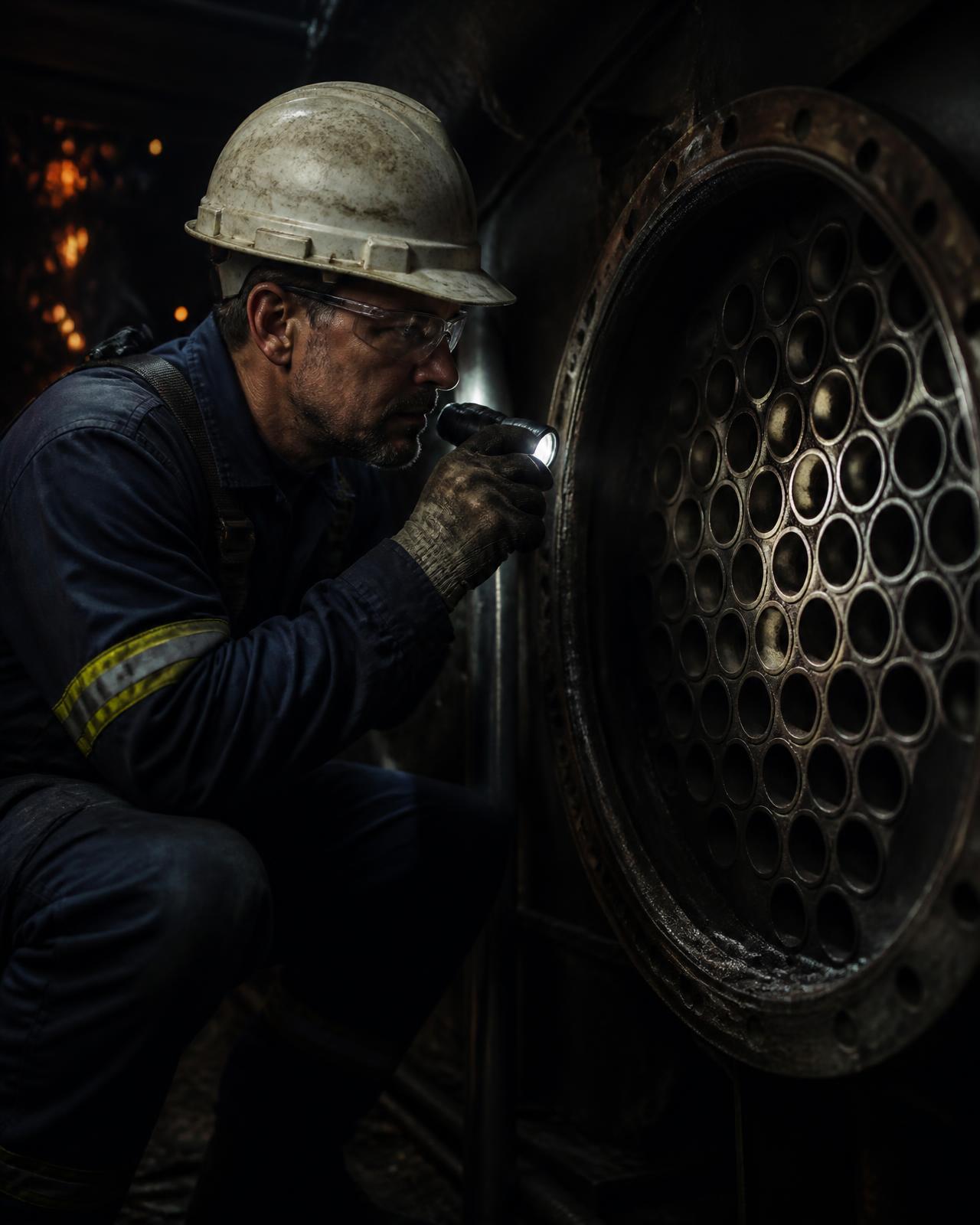
A certified technician inspects the system, identifies the cause and photographs what they find. No work starts before you know what failed.
- 03
Written quote, upfront
You get a clear scope and price before we proceed, including whether a temporary rental unit makes sense while the repair is completed.
- 04
Work performed and documented
Repair, install or recondition — then test, return to service and hand over documentation you can file, including insurance paperwork if a claim is involved.
Where we work
Dispatched from Conroe across the Houston region.
Conroe, TX
Our home base. Fastest response window of any area we cover.
Baytown, TX
Industrial and plant work along the ship channel's east end.
Channelview, TX
Ship channel facilities and commercial steam systems.
Deer Park, TX
Petrochemical-adjacent service with strict site requirements.
Humble, TX
Commercial buildings, light industrial and hot water systems.
La Porte, TX
Bayport-area industrial repair and rental logistics.
Pasadena, TX
Dense industrial coverage with 24/7 emergency dispatch.
On the job
Real crews, real boiler rooms.
Every job is documented — readings taken, parts photographed, work logged. This is what our technicians see on a normal week across the Houston region.
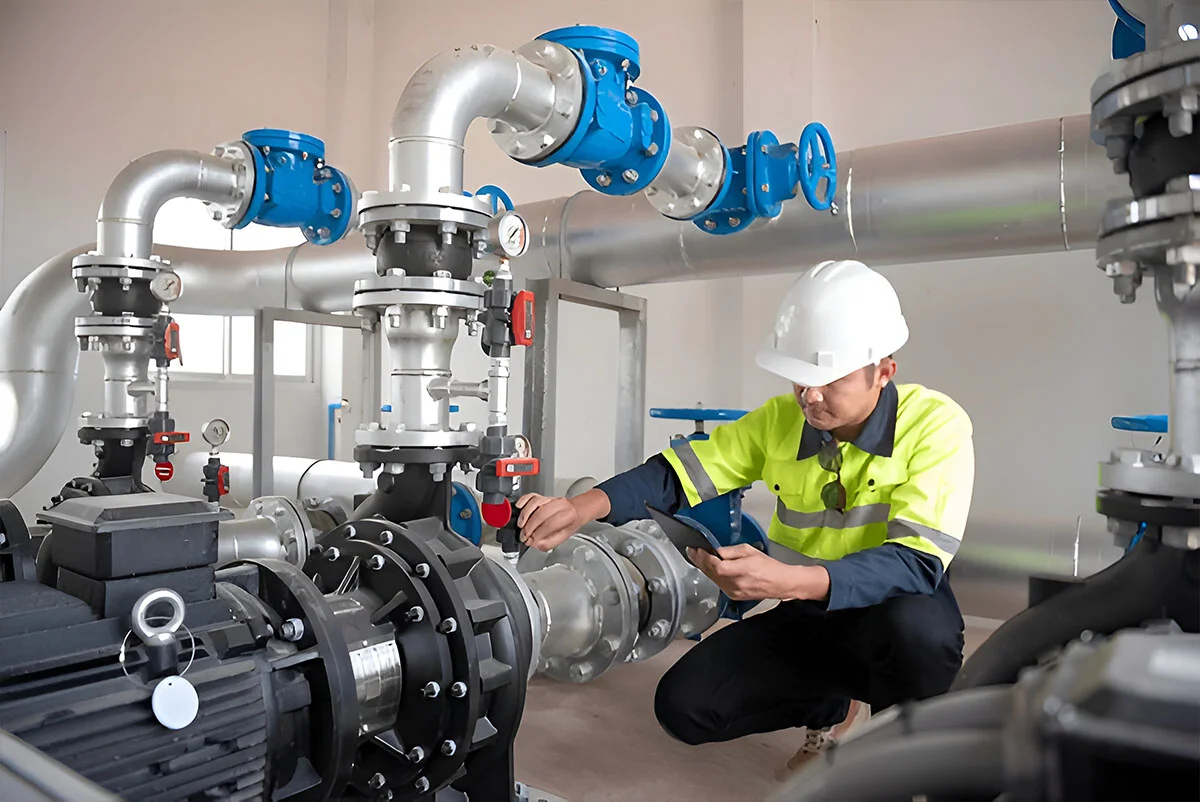
Header and valve check before restart 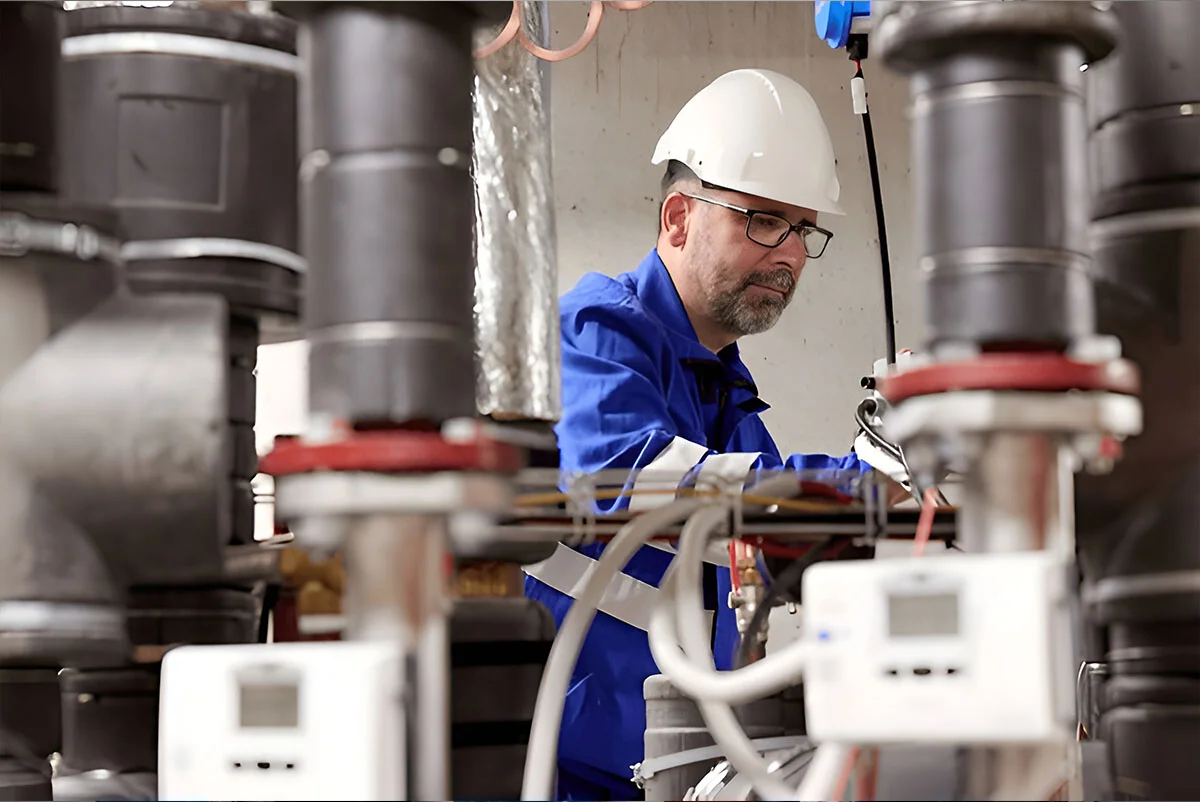
Boiler room walkdown 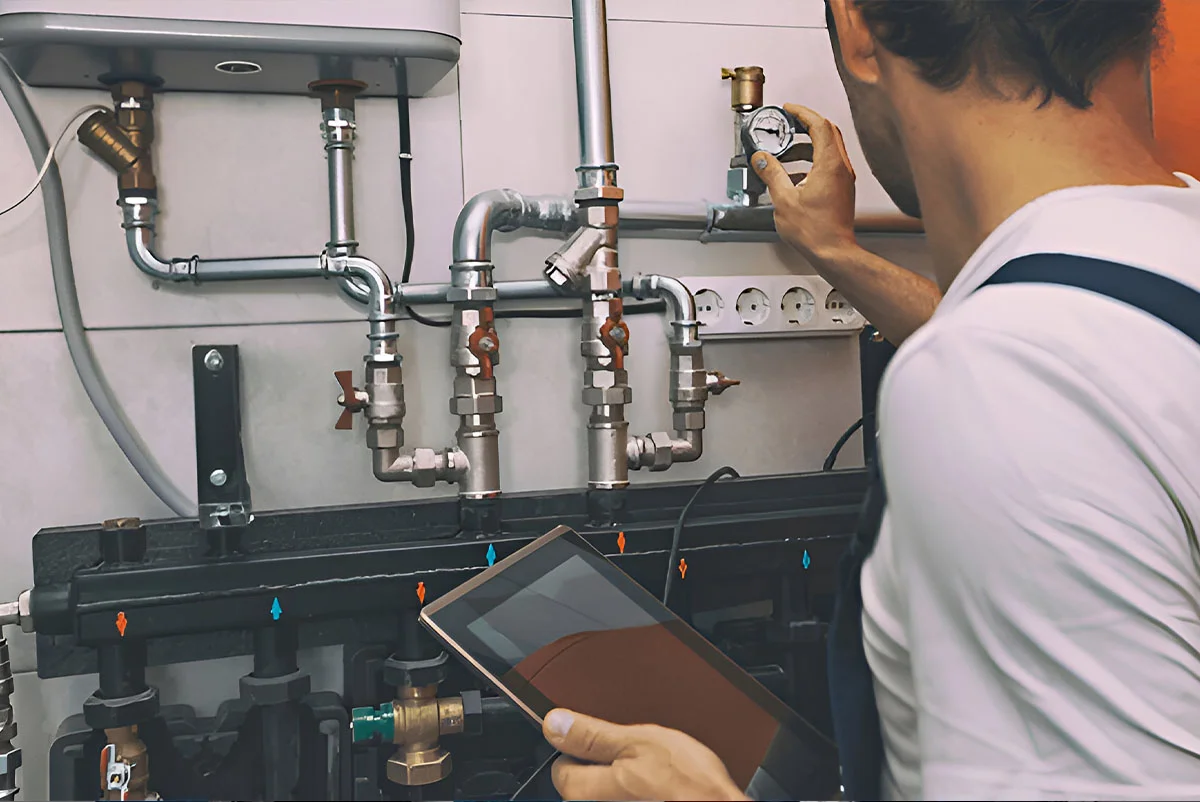
Pressure and manifold readings 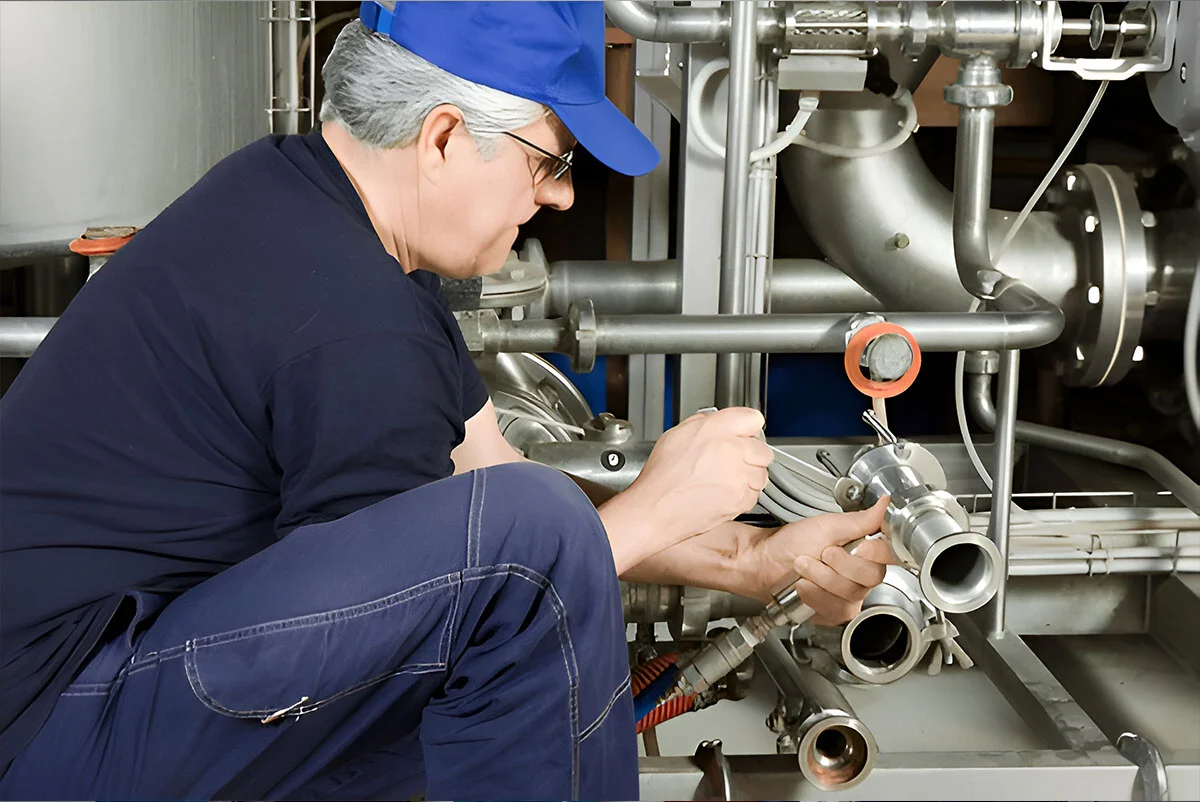
Couplings and skid piping 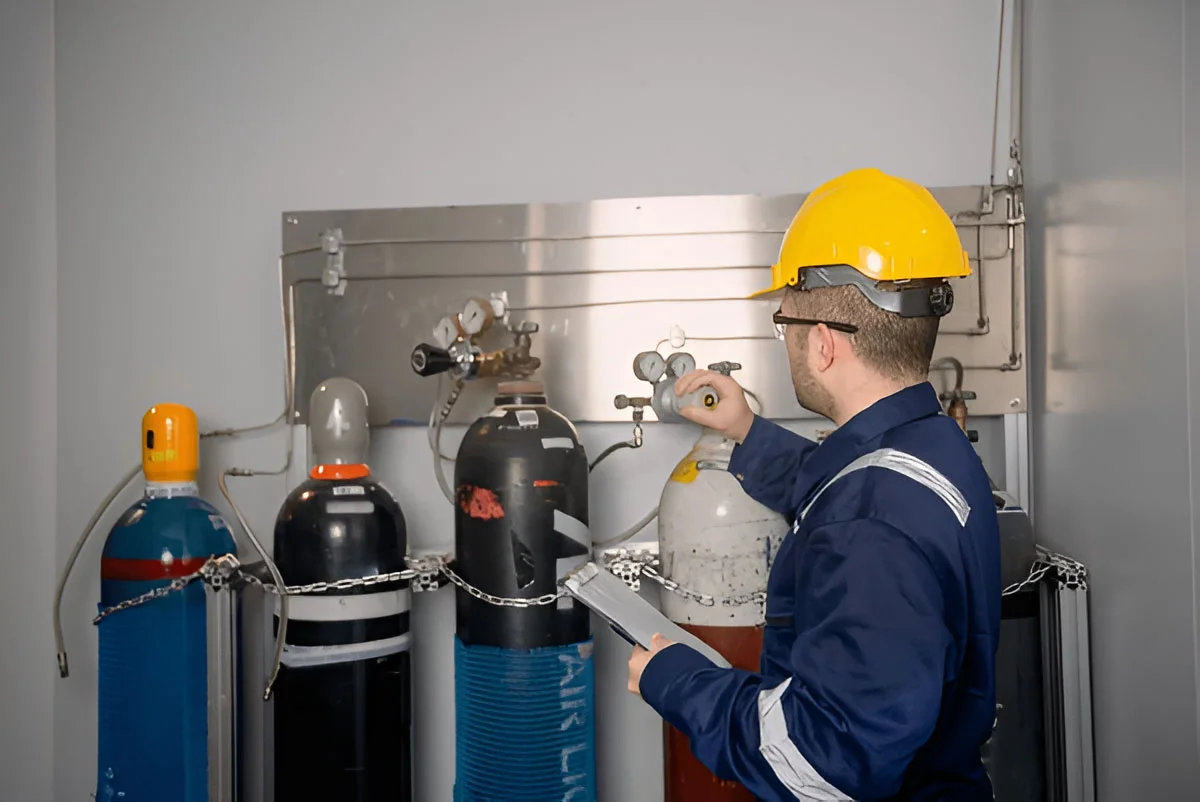
Combustion gas regulator log 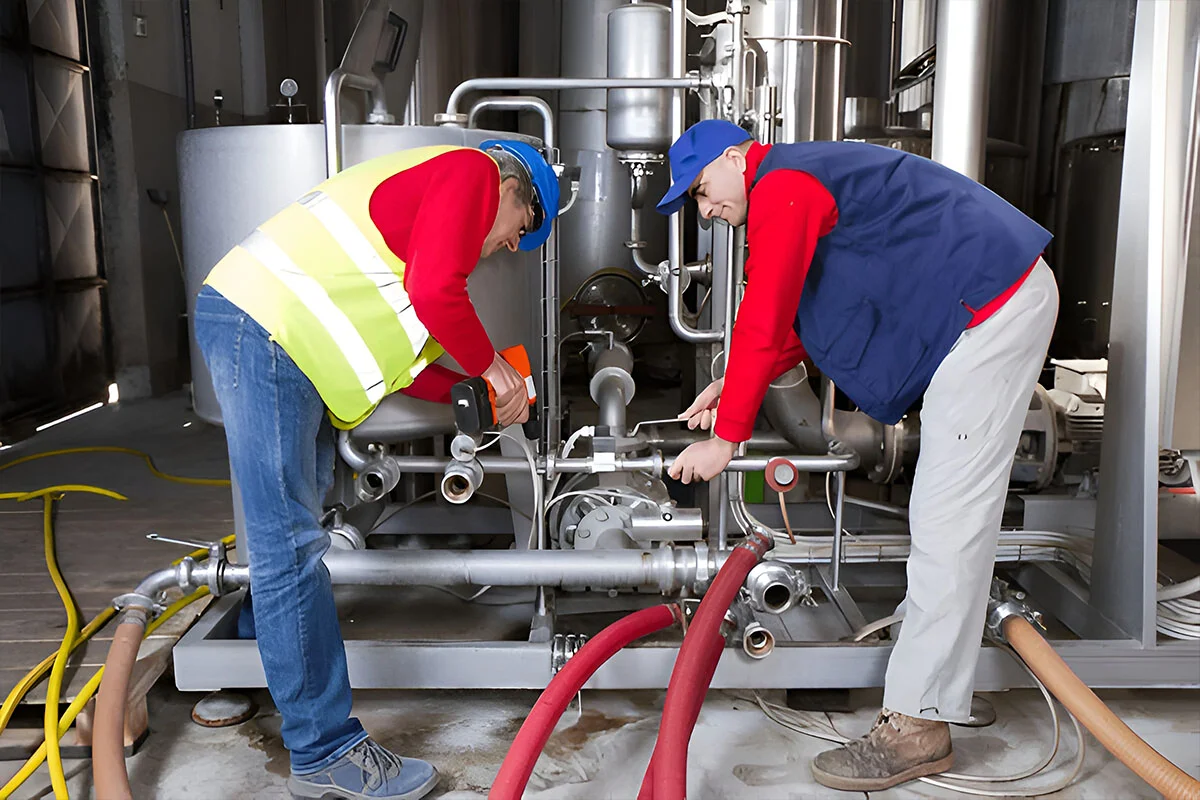
Temporary boiler hook-up 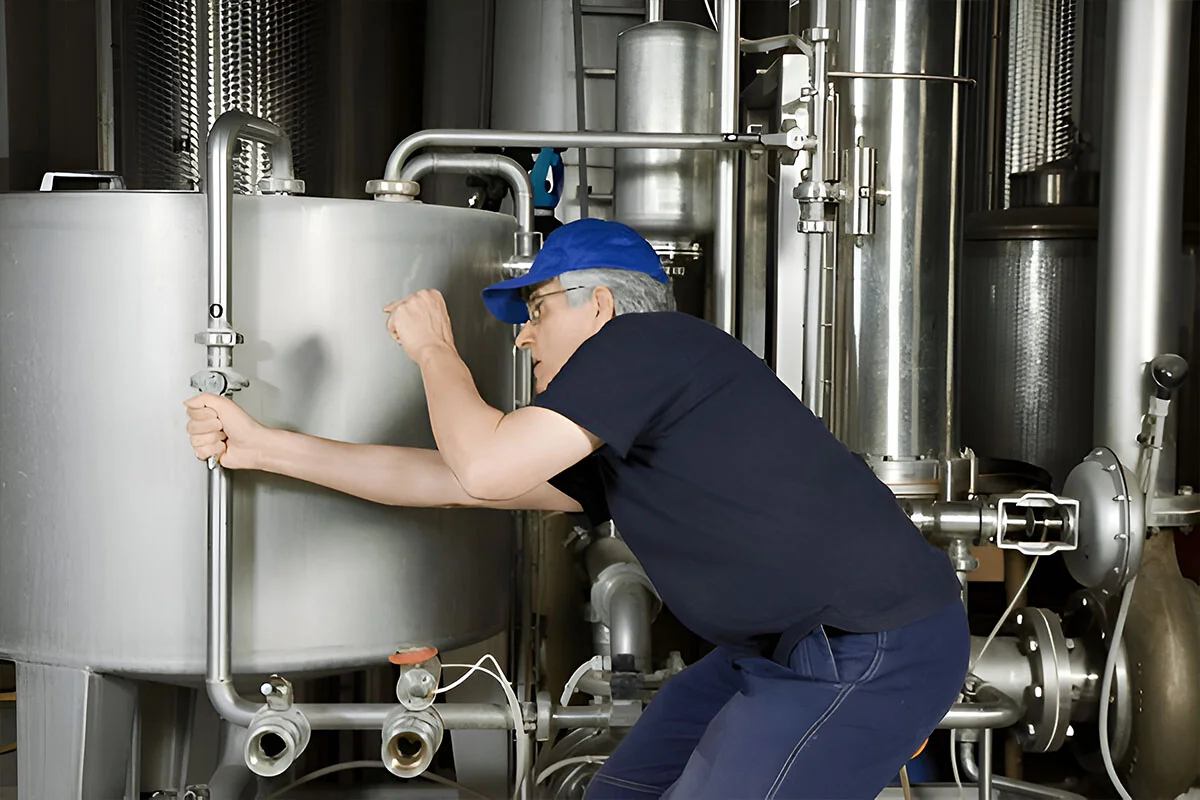
Vessel isolation and blowdown 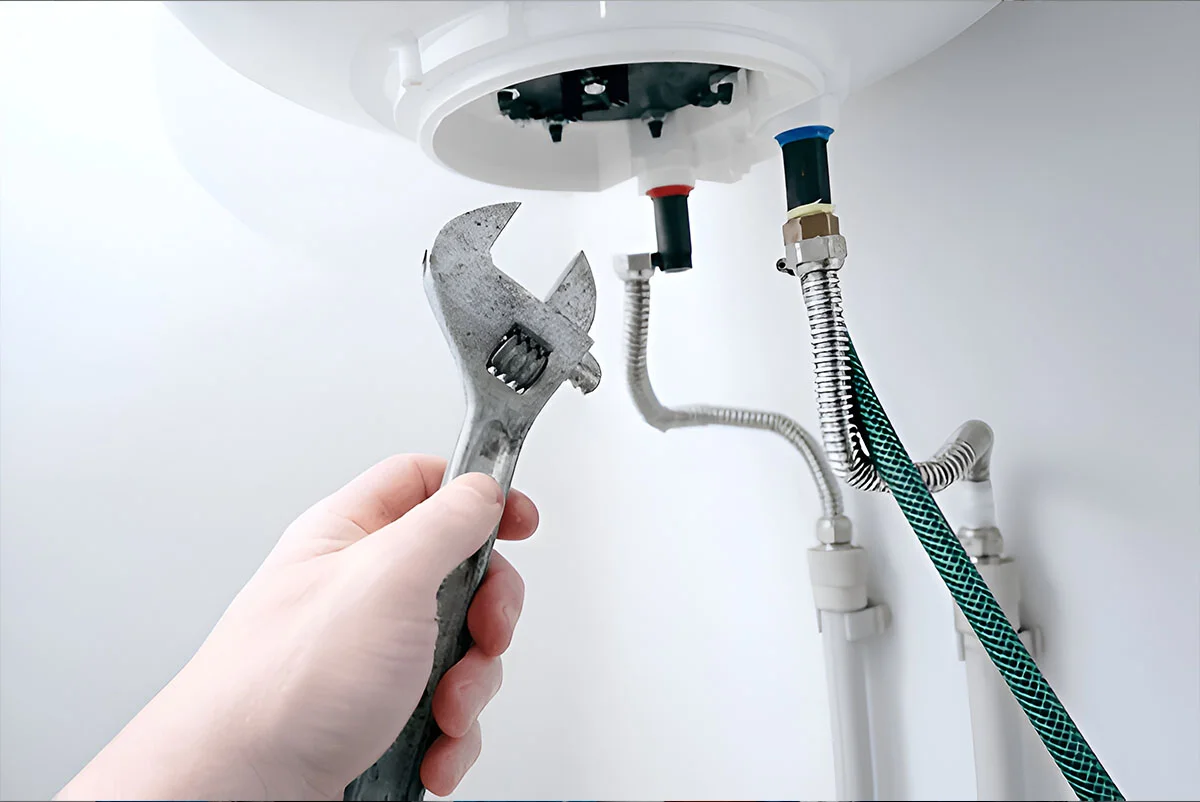
Fittings and connections service
Next step
Boiler down, or planning ahead?
Call for 24/7 emergency dispatch, or send the details and we will come back with a written quote.