Most boiler failures start on the water side. Poor water treatment leads to scale, corrosion and carryover, which shorten equipment life, waste fuel and cause unplanned shutdowns. A solid treatment program is one of the most cost-effective things you can do for a commercial or industrial boiler.
This article covers the basics. Your water treatment provider should set the specific chemistry and limits for your system.
Scale: the efficiency killer
Water contains dissolved minerals such as calcium and magnesium. When water is heated and turned to steam, those minerals stay behind and can deposit on heating surfaces as scale.
Scale acts as insulation. Heat has a harder time getting into the water, so the metal runs hotter and the burner works harder. Heavy scale can cause tubes to overheat, bulge or fail.
How it is controlled: pretreatment (most often a water softener), internal chemical treatment, and blowdown to keep dissolved solids within limits.
Corrosion: oxygen and low pH
Dissolved oxygen in feedwater is aggressive toward steel. It causes pitting that can perforate tubes and piping. Low pH and carbon dioxide in condensate cause corrosion in return lines.
How it is controlled: mechanical removal of oxygen in a deaerator or heated feedwater tank, chemical oxygen scavengers, and pH and condensate treatment.
Carryover: dirty steam
When boiler water foams or water levels surge, droplets of boiler water get carried out with the steam. This brings dissolved solids into steam lines, valves and process equipment.
What blowdown does
As steam leaves the boiler, dissolved solids concentrate in the water left behind. Blowdown removes some of that concentrated water and replaces it with fresh feedwater.
- Surface (continuous) blowdown removes water near the surface, where dissolved solids concentrate, at a controlled rate.
- Bottom blowdown removes sludge and sediment from the lowest point of the boiler.
Too little blowdown lets solids build up. Too much wastes water, chemicals and heat. The right rate comes from testing, not guesswork.
Testing and logs
A typical program includes regular testing of feedwater, boiler water and condensate for hardness, conductivity or total dissolved solids, pH and treatment residuals, with results logged. Trends in that log are often the earliest warning of a problem, such as a softener that has stopped regenerating or condensate contamination.
Signs your treatment program is not working
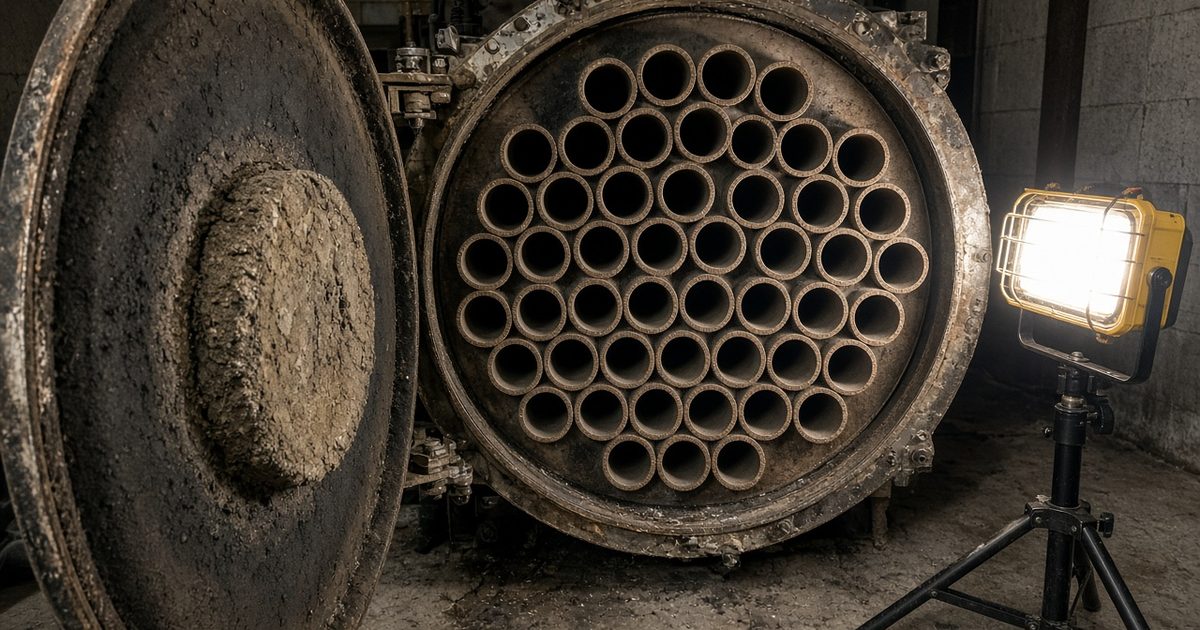
- Scale visible during inspections
- Rising stack temperature over time at the same firing rate
- Frequent softener problems or hardness in feedwater tests
- Rust-colored condensate
- Foaming or unstable water levels in the sight glass
When damage is already done
If inspection finds scale or corrosion damage, our team can assess it and recommend cleaning, repair or boiler reconditioning. Our article on reconditioning vs. replacement can help you weigh the options.
Questions about your boiler's condition? Call Boilers on Demand at 936-300-4111 or explore our boiler repair services.