A steam boiler is only as reliable as its feedwater system. If water cannot get into the boiler at the right rate, the boiler trips on low water, or worse. Feedwater pump problems are one of the most common causes of nuisance trips, lost production and middle-of-the-night emergency calls at commercial and industrial plants.
This guide covers how a feedwater system works, the symptoms that point to a pump problem, the usual root causes, and the maintenance habits that keep feedwater flowing.
How feedwater systems work
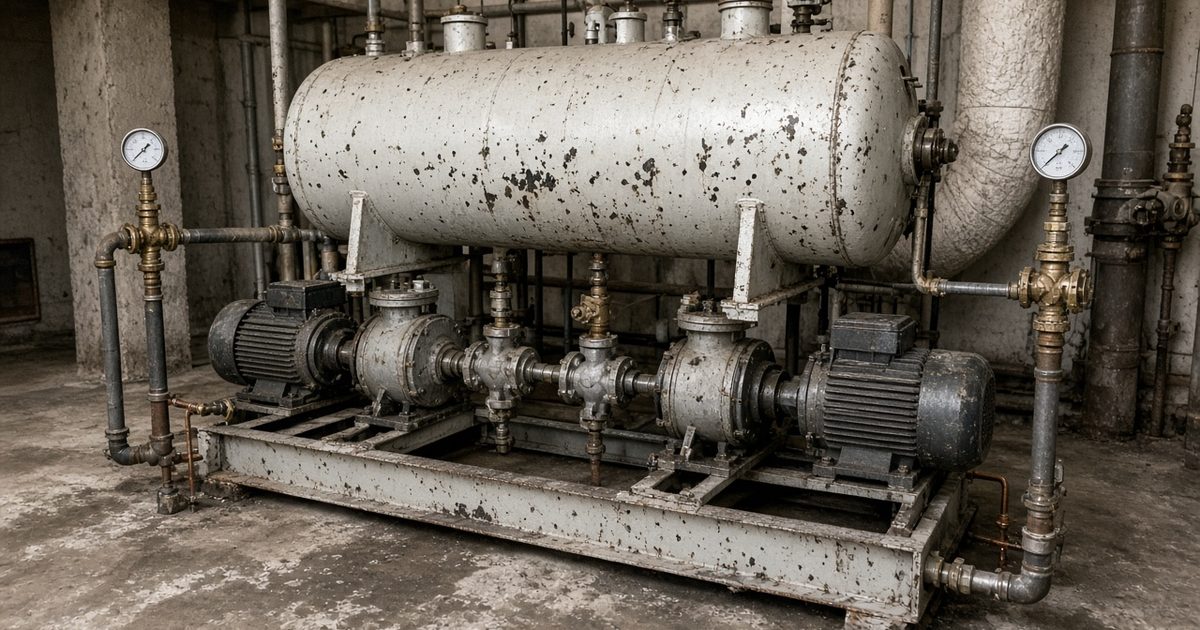
Condensate returning from the steam system, plus treated makeup water, collects in a condensate receiver or deaerator. Feedwater pumps push that water into the boiler against boiler pressure. The pumps are controlled by a level control on the boiler, either on/off pump control or a modulating feedwater valve that holds a steady water level.
Because the pump has to overcome full boiler pressure, a small loss of pump performance can be enough to let the water level fall. That is why a tired pump often shows up first as a low-water alarm rather than as an obvious pump failure.
Common symptoms
- Low-water alarms or lockouts while the pump is running
- Pumps that run continuously and never satisfy the level control
- Noisy pumps: grinding, rattling or a "gravel" sound
- Leaking mechanical seals or packing
- Motors that trip on overload
- Water level that swings up and down in the gauge glass
Any one of these is worth investigating before it turns into a lockout. Several together usually mean the pump, its suction conditions or its controls need attention now.
Common causes
Cavitation. If feedwater is too hot for the available suction pressure, it flashes to vapor at the pump inlet. The collapsing bubbles cause noise, loss of flow and pitting damage to the impeller. Typical causes are a receiver running too hot, too little suction head (net positive suction head) for the pump, or a partly clogged suction strainer.
Clogged strainers. Scale, rust and debris from the condensate system collect in suction strainers and restrict flow, which starves the pump and can also trigger cavitation.
Failed check valves. A leaking discharge check valve lets hot boiler water flow back through the pump. That can overheat the pump, cause it to spin backwards on shutdown and confuse the level controls.
Worn impellers and seals. Normal wear, cavitation damage and poor water quality all shorten pump life. Worn internal clearances reduce the pressure the pump can develop, so it may no longer keep up at full boiler pressure.
Level control problems. A faulty pump control, float switch or probe on the boiler can call for water at the wrong time or not at all. Because the same controls protect against low water, test them regularly; see our guide to low-water cutoff testing for commercial boilers.
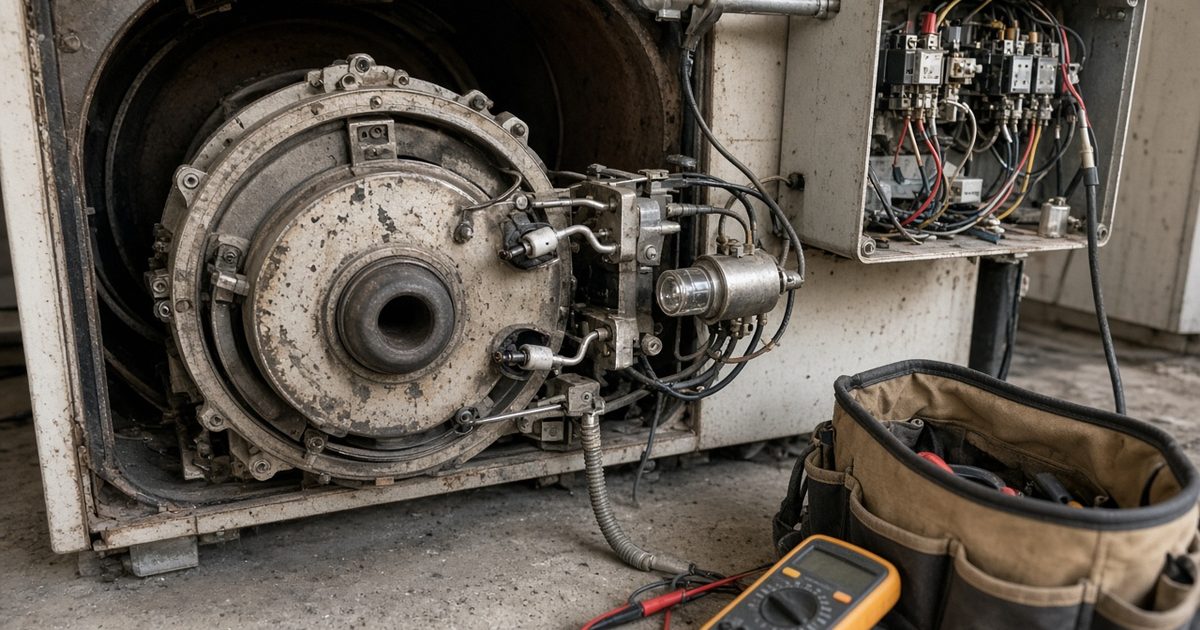
Electrical issues. Failing contactors, worn motor windings, loose connections or incorrectly set overloads can stop a healthy pump.
Maintenance that helps
- Clean suction strainers on a schedule, and more often after system work that may have loosened scale.
- Check for vibration, noise and seal leaks during daily rounds.
- Verify receiver or deaerator temperature and water level.
- Alternate duplex pumps so both stay exercised and a standby pump is ready when needed.
- Track run hours and motor amps so you can spot a pump that is working harder than it used to.
- Keep water treatment on target; scale and corrosion in the boiler often start in the feedwater. Our post on boiler water treatment basics explains why.
When the pump is not the problem
Feedwater trouble sometimes traces back to the condensate system. Failed steam traps send live and flash steam back to the receiver, raising its temperature until the pumps start to cavitate. If the receiver is venting a lot of steam or running hotter than normal, check the traps first; see steam trap failure signs. Repeated low-water trips can also be part of a bigger picture covered in our article on common boiler problems.
Get it fixed
Boilers on Demand is a woman-owned commercial and industrial boiler company based in Houston, with 24/7, 365-day emergency dispatch. Our technicians diagnose on site, explain what failed and why, and quote before work begins. We service firetube and watertube boilers, steam and hot water systems and all major makes and models, and Boilers on Demand, LLC holds a National Board R certificate for code repairs on boiler pressure parts.
We repair feedwater systems, pumps and controls across Houston, Conroe, Baytown, Pasadena, La Porte, Deer Park, Channelview, Humble and The Woodlands. If a repair will take your boiler offline, we can also arrange temporary boiler rental. Learn more about our commercial boiler repair services, or call 936-300-4111 any time.