Every commercial boiler makes some noise in normal operation: burners light, pumps run and steam moves through piping. What matters is a new noise, or a familiar one that gets louder. Banging, kettling, whistling and hissing are usually symptoms of a specific problem, and some of them are warnings that a pressure part or a safety system needs attention right away. This guide explains what the most common boiler noises usually mean, how urgent each one is and what to do next.
Banging in steam lines (water hammer)
What it sounds like: loud bangs, knocks or hammering in steam or condensate piping, often at startup or when a valve opens.
Usual causes: condensate collecting in steam lines and being slammed by fast-moving steam. Common sources are failed steam traps, piping that is not pitched to drain, missing drip legs and opening steam valves too quickly during warm-up.
Urgency: high. Water hammer can crack fittings, damage valves and gaskets and, in the worst cases, cause dangerous piping failures. Bring the system up slowly, and have traps and drainage checked. Our guide to steam trap failure signs explains what to look for.
Kettling or rumbling
What it sounds like: a rumble or a sound like a kettle about to boil, coming from the boiler or heat exchanger.
Usual causes: scale or sludge on heating surfaces causing localized boiling, or poor water flow through a hot water boiler.
Urgency: medium to high. Scale insulates the metal from the water, so the metal runs hotter than it should. Over time that can lead to tube damage. Water chemistry is usually at the root of it; see boiler water treatment basics.
Whistling or screeching
Usual causes: restricted water flow, air in a hot water system, a partly closed valve or a failing pump bearing.
Urgency: medium. Check pumps, valves and flow before the restriction causes overheating. Pump-related causes are covered in boiler feedwater pump problems.
Hissing
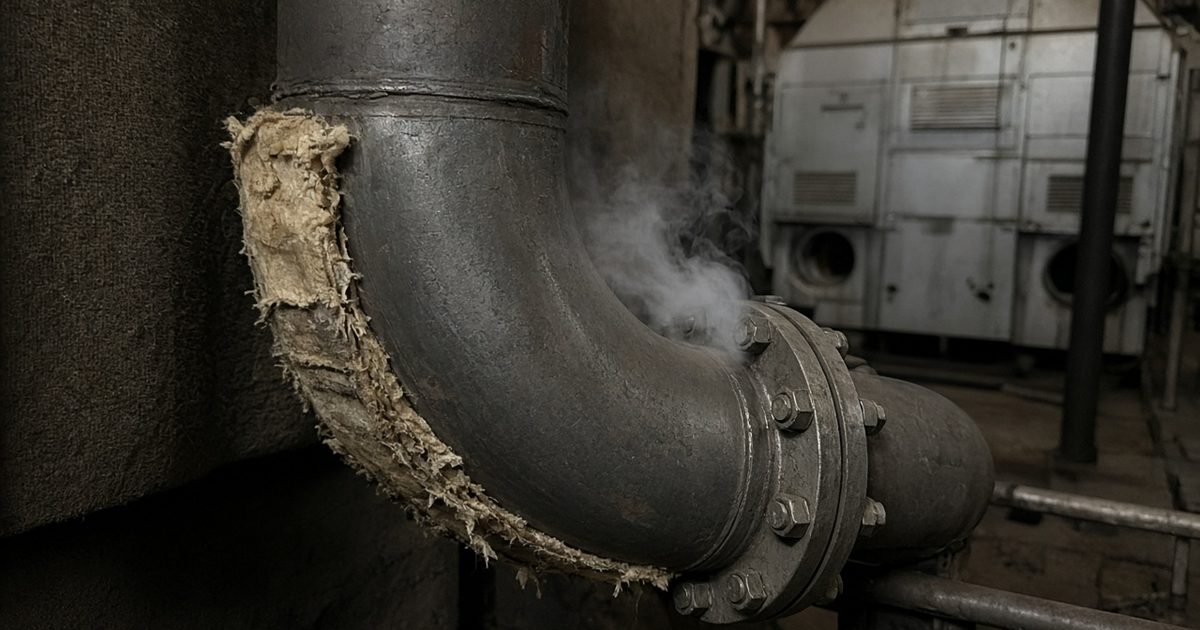
Usual causes: a steam leak at a valve, gasket or fitting; a safety relief valve that is leaking or lifting; or a tube leak inside the boiler.
Urgency: high. Steam leaks can cause severe burns, and a hiss from inside the boiler may signal a pressure-part failure. Keep people clear of the area and call for service. See boiler tube leak causes and repair and pressure relief valve testing.
Booming or rough ignition
What it sounds like: a thump or boom when the burner lights.
Usual causes: delayed ignition, where fuel builds up before it lights, often from ignition problems, incorrect gas pressure or a poor air-fuel ratio.
Urgency: high. Shut the boiler down and have a qualified technician inspect the burner and combustion controls before it is fired again. Related lockout symptoms are explained in boiler flame failure and lockout causes, and our combustion and burner service covers burner tuning and repair.
Clicking, chattering or grinding from pumps
Usual causes: cavitation, worn bearings or a failing motor. Cavitation can also point to low suction pressure or a feedwater temperature problem.
Urgency: medium. A feedwater pump that fails can take the boiler down with it, so schedule an inspection before it quits.
Noises that come with other symptoms
A noise is more serious when it shows up alongside something else. Call for service promptly if you notice any of the following together with a new sound:
- Visible water or steam leaks around the boiler, valves or piping
- Pressure or temperature readings outside the normal range
- Repeated lockouts, short cycling or flame failures
- Safety relief valves lifting or weeping
- Low water cutoff trips
Our article on 7 warning signs your boiler needs service covers other symptoms worth watching.
What to do when you hear a new boiler noise
- Note when it happens: at startup, during firing, when a pump starts or all the time.
- Note where it comes from: the boiler itself, the burner, a pump or the piping.
- Check the gauges for pressure, temperature and water level, and look for leaks.
- Do not ignore hissing, booming or banging. If you suspect a steam leak or delayed ignition, shut down safely according to your procedures and call a technician.
- Share what you observed with the technician. It speeds up the diagnosis.
How Boilers on Demand diagnoses boiler noises
Our technicians diagnose on site, identify the root cause rather than just the visible symptom and give you a written quote before work begins. When the cause is a pressure part, such as a leaking tube, repairs are performed under our National Board R certificate, and leak investigation and hydrostatic testing are part of our commercial boiler repair service. If the boiler has to come offline, temporary rental boilers can carry the load while it is repaired.
Frequently asked questions
Is it normal for a boiler to make noise?
Some operating noise is normal. A new noise, or one that is getting louder, usually points to a developing problem and should be checked.
What causes banging in steam pipes?
Banging in steam lines is usually water hammer: condensate collecting in the piping and being hit by steam. Failed steam traps, poor pipe pitch and opening valves too fast are common causes.
Is a hissing boiler dangerous?
It can be. Hissing often means a steam leak or a relief valve issue, and steam can cause severe burns. Keep people away and call for service.
24/7 boiler repair in Houston and Conroe
Boilers on Demand provides 24/7 emergency boiler repair for commercial and industrial facilities across Greater Houston, including Houston, Conroe and the surrounding area. Call 936-300-4111 any time or request a quote.